WHAT MOTIVATES US.
Martin Luther King, Jr. modeled a set of principles that can feel impossible today — serving without reciprocation, suffering without retaliation, and reconciling without domination. In an an age where cruelty, anxiety, and superficiality are the norm, living values like these requires more than intellectual assent or emotional commitment. Like the monastic traditions of old, it requires a lifelong pursuit of the threefold virtues of justice, mercy, and humility.
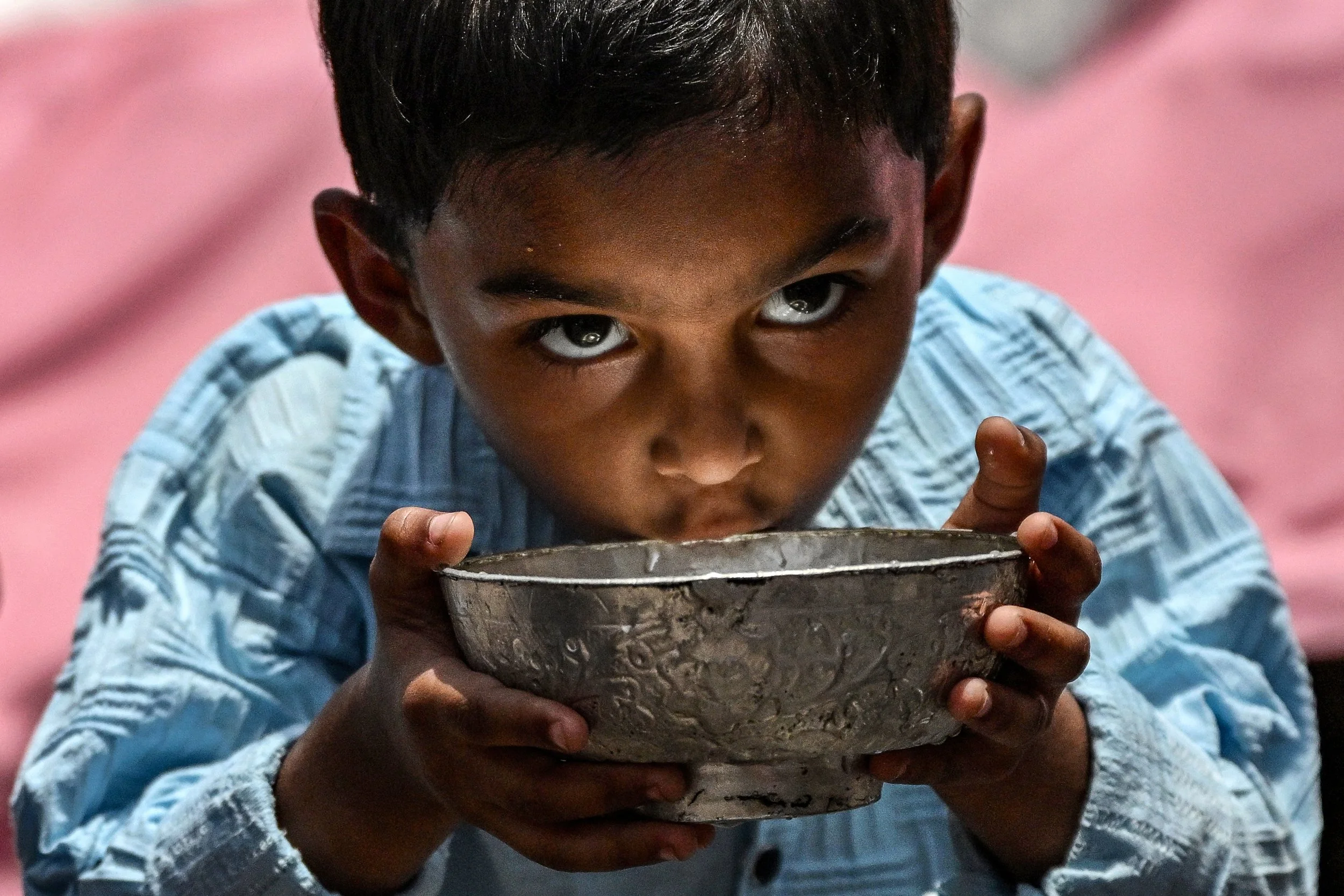
JUSTICE
-
Justice honors the God-given worth and image in every person, especially the vulnerable. At its core, justice is about right relationships—relationships that work. Injustice is about relationships that don’t, leaving people marginalized, oppressed, or exploited.
-
We live justice through what Walter Brueggemann calls “covenantal neighborliness” — making room for people who are excluded so that peace and joy become tangible. We “make room” by standing up for someone who is being mistreated and welcoming people who feel left out.

MERCY
-
Mercy is a covenantal, steadfast love-in-action that keeps showing up for others no matter what, especially for the vulnerable. Mercy is a durable commitment that doesn’t just feel compassionately, it bears burdens and seeks to bring change.
-
We practice mercy through generosity, advocacy, forgiveness, and presence, even when it costs us.

HUMILITY
-
Humility is a posture of receiving one’s life as a gift. From that posture of gratitude, we seek to give ourselves to others so that justice and mercy can flourish.
-
We live humbly by standing with all people, especially the vulnerable, as image-bearers whose rights inform our conduct. We believe attention, listening and learning are the hallmarks of humility.